


OUR SERVICES
Integrative Physical & Functional Medicine Approach to Wellness, Fitness and Healthcare
As new research and technology emerge, we continually enhance our offerings to better meet patient needs.

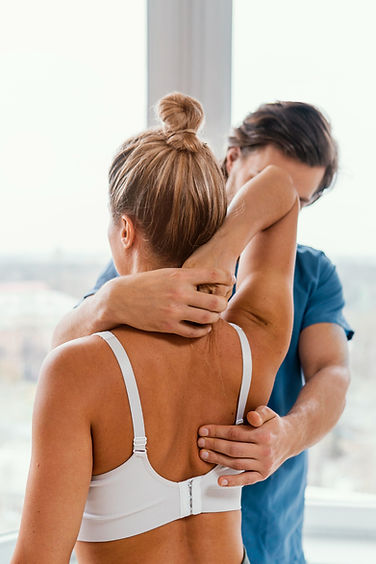
Neuromuscular physiotherapy is a specialized branch of physical therapy focused on treating disorders that affect the relationship between the nervous system and the muscular system. It aims to restore, maintain, and maximize movement patterns, strength, and coordination by improving the communication between the brain and muscles.
Core Objectives
-
Neuromuscular Re-education: Retraining the nervous system to regain control over muscles and move efficiently.
-
Restoring Function: Helping patients recover from injuries, surgeries, or chronic conditions that have altered their normal movement.
-
Improving Coordination & Balance: Addressing issues like instability and tremors that interfere with daily activities.
-
Pain Management: Alleviating pain by addressing root causes like muscle imbalances, trigger points, scar tissue, adhesions, nerve compression, or dysfunctional movement patterns.
Conditions Treated
Neuromuscular physiotherapy is vital for managing both acute injuries and chronic neurological disorders, including:
-
Neurological Disorders: Stroke, Multiple Sclerosis (MS), Parkinson’s disease, Cerebral Palsy, and Spinal Cord Injuries.
-
Muscular Conditions: Muscular dystrophy, Myositis, and Spinal Muscular Atrophy.
-
Chronic Pain & Injuries: Chronic head, neck, shoulder, back and hip pain, sciatica, carpal tunnel syndrome, plantar fasciitis and sports injuries.
Manual lymphatic drainage (MLD) is a specialized, gentle therapeutic technique that stimulates the flow of lymph fluid to reduce swelling (edema), support immune function, and aid recovery from surgery. It is distinct from a traditional massage and uses light, rhythmic pressure to stretch the skin and redirect fluid toward functioning lymph nodes.
Benefits of MLD
-
Reduced swelling and inflammation: MLD is a primary treatment for lymphedema, which is often a side effect of cancer treatment, injury, or other medical conditions.
-
Faster post-surgical recovery: The technique can minimize bruising, speed up healing, and help prevent fibrosis (hardened tissue) after cosmetic or reconstructive surgeries.
-
Immune system support: By enhancing lymph flow, MLD helps the body filter out waste, bacteria, and other harmful substances more efficiently.
-
Relaxation and pain relief: The gentle, rhythmic nature of MLD can calm the nervous system, reduce stress, and alleviate chronic pain associated with fluid retention.
-
Sports Recovery: MLD benefits sports recovery by flushing metabolic waste (like lactic acid), reducing inflammation and swelling, speeding muscle repair, boosting immunity, improving sleep, and aiding recovery from injuries by enhancing lymphatic circulation for faster healing and reduced soreness, allowing athletes to return to training quicker and perform better.


Massage therapy offers significant benefits for both physical and mental health, including pain relief, reduced muscle tension, improved circulation, and lower stress levels, by boosting relaxation hormones (endorphins) and decreasing stress hormones (cortisol), helping with recovery, sleep, mood, and conditions like chronic pain, anxiety, and stiffness, making it effective for overall well-being.
Physical Benefits:
-
Pain & Muscle Relief: Reduces muscle tension, stiffness, soreness, spasms, and inflammation, easing chronic pain and injury recovery.
-
Improved Circulation: Enhances blood flow and lymphatic fluid movement, supporting cardiovascular health and immune function.
-
Enhanced Recovery: Speeds up workout recovery, breaks up scar tissue, and improves flexibility and range of motion.
-
Better Sleep: Promotes deeper, easier breathing and relaxation, leading to better sleep quality.
-
Supports Immune System: Can increase the activity of "killer cells" and improve the body's ability to fight illness.
Mental & Emotional Benefits:
-
Stress Reduction: Lowers cortisol levels and stimulates endorphins, reducing stress, anxiety, and improving mood.
-
Improved Mental Well-being: Helps with issues like depression, PTSD, and promotes feelings of wellness, energy, and relaxation.
Efficacy & Research:
-
Strong Evidence: Studies show massage helps with arthritis pain, anxiety, and recovery in athletes.
-
Holistic Approach: Often used as part of broader wellness plans for stress, pain, and improving quality of life.